Product passages come first
Thin juice and pumpable pulp can behave differently in a heat exchanger. State particle size and viscosity at the relevant temperature so passages, pumps and valves can be selected around the actual product.
A heat exchanger is one part of treatment
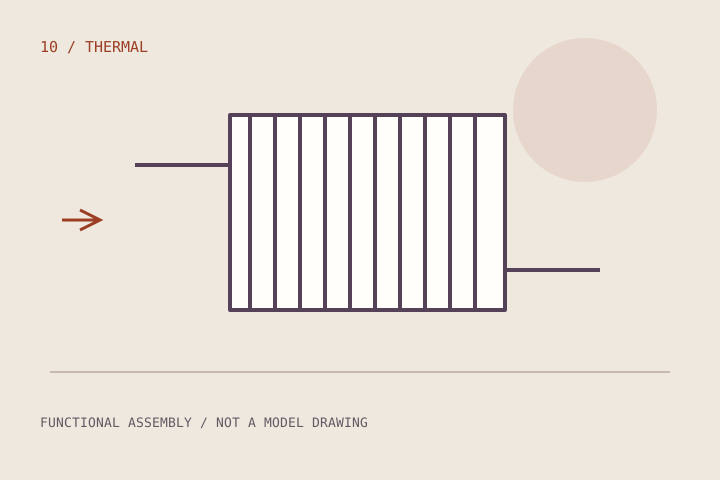
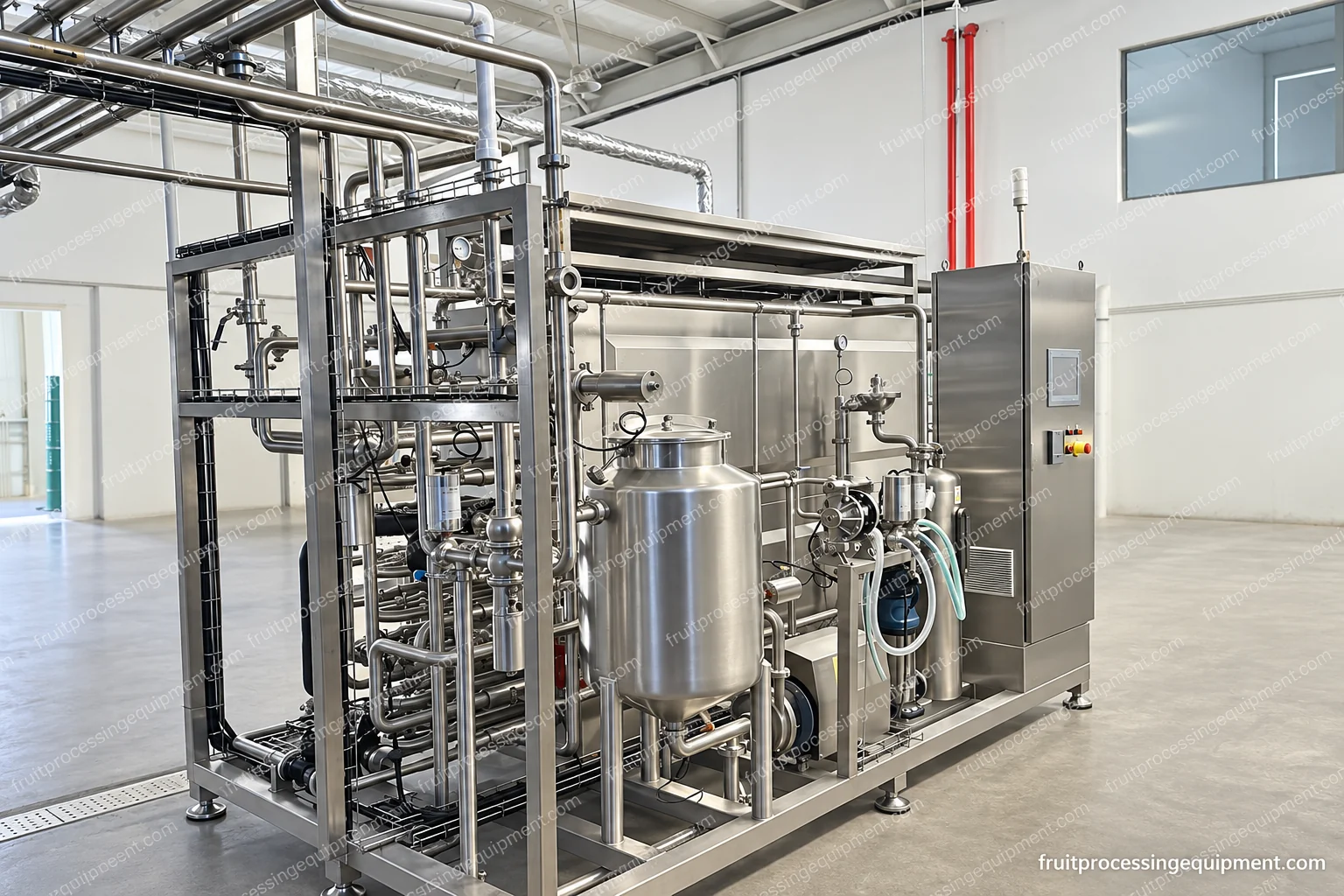
Controlled feed, heating, holding, cooling and off-condition routing form the processing boundary. A temperature setpoint alone does not establish the residence history or product validation.
Include cleaning and downstream transfer
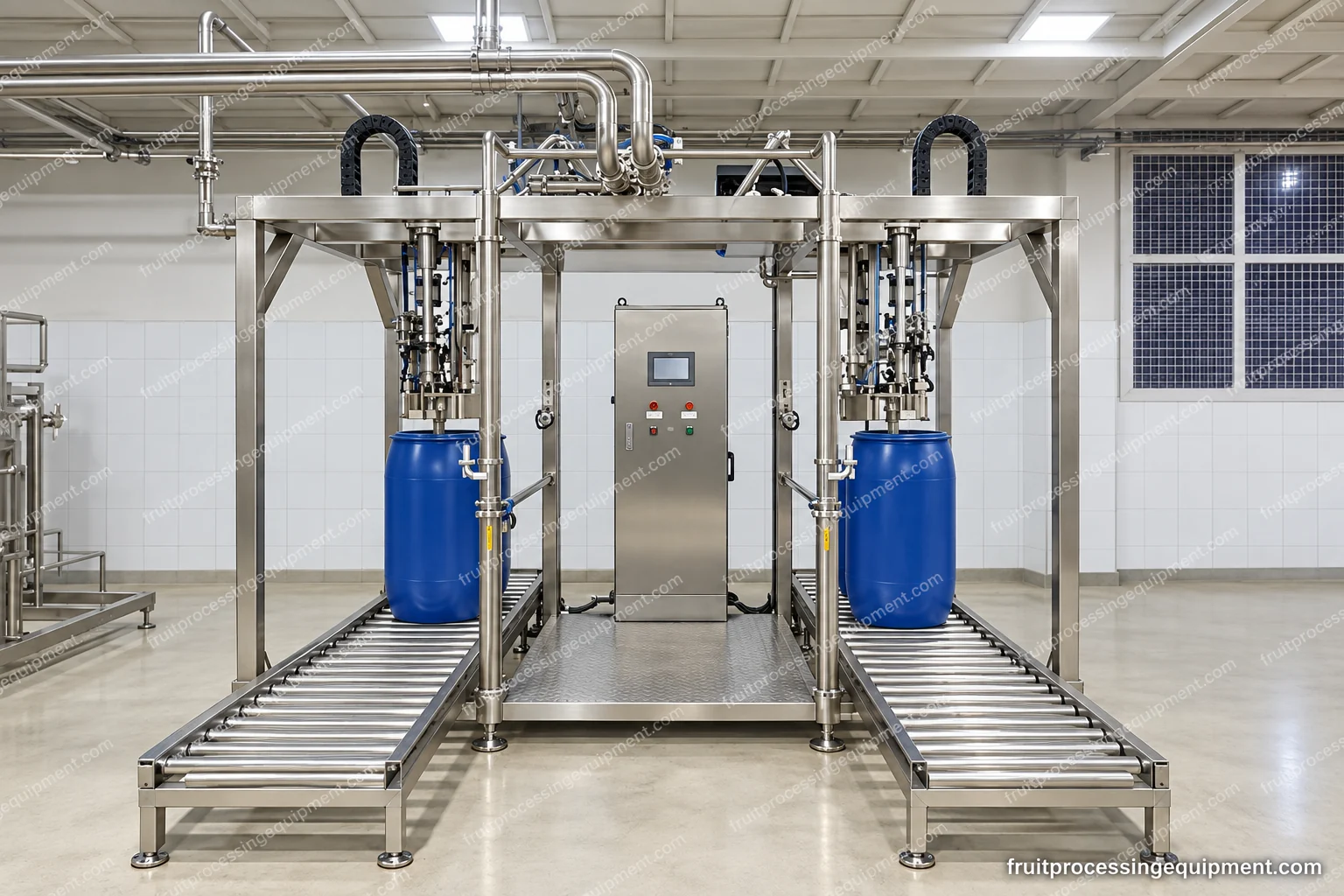
Review product-contact access, cleaning circuits and fouling alongside heat transfer. For an aseptic route, treatment, transfer and filling must be specified together for the chosen product and package.
What to include in your enquiry
- Product viscosity and particles
- Required treatment duty
- Heating and cooling services
- Downstream storage or filling arrangement
Describe the product and the machine you need. Add the known process conditions; the remaining configuration can be discussed around your actual project.
Discuss this equipment selection