Use prepared-fruit input
State the material arriving at the hopper, including prior washing, trimming and stone removal. Raw incoming fruit and prepared flesh can have different mass flows, so identify the measurement boundary.
Match the mash to recovery
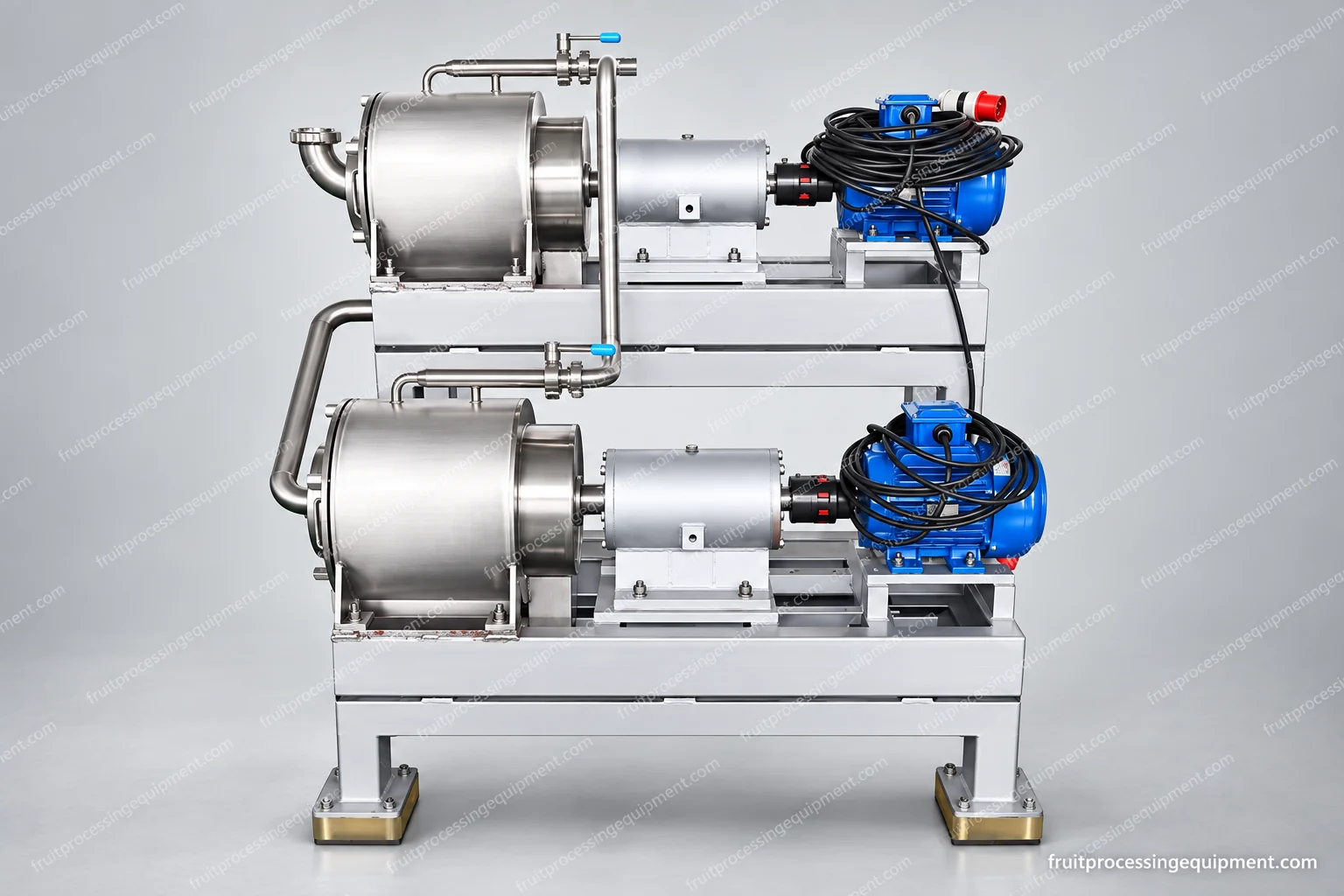
A pressing route needs material that releases and drains juice. Pulping needs an even feed to its working assembly. The downstream job helps define the crushing result rather than choosing rotor power in isolation.
Interpret model references correctly
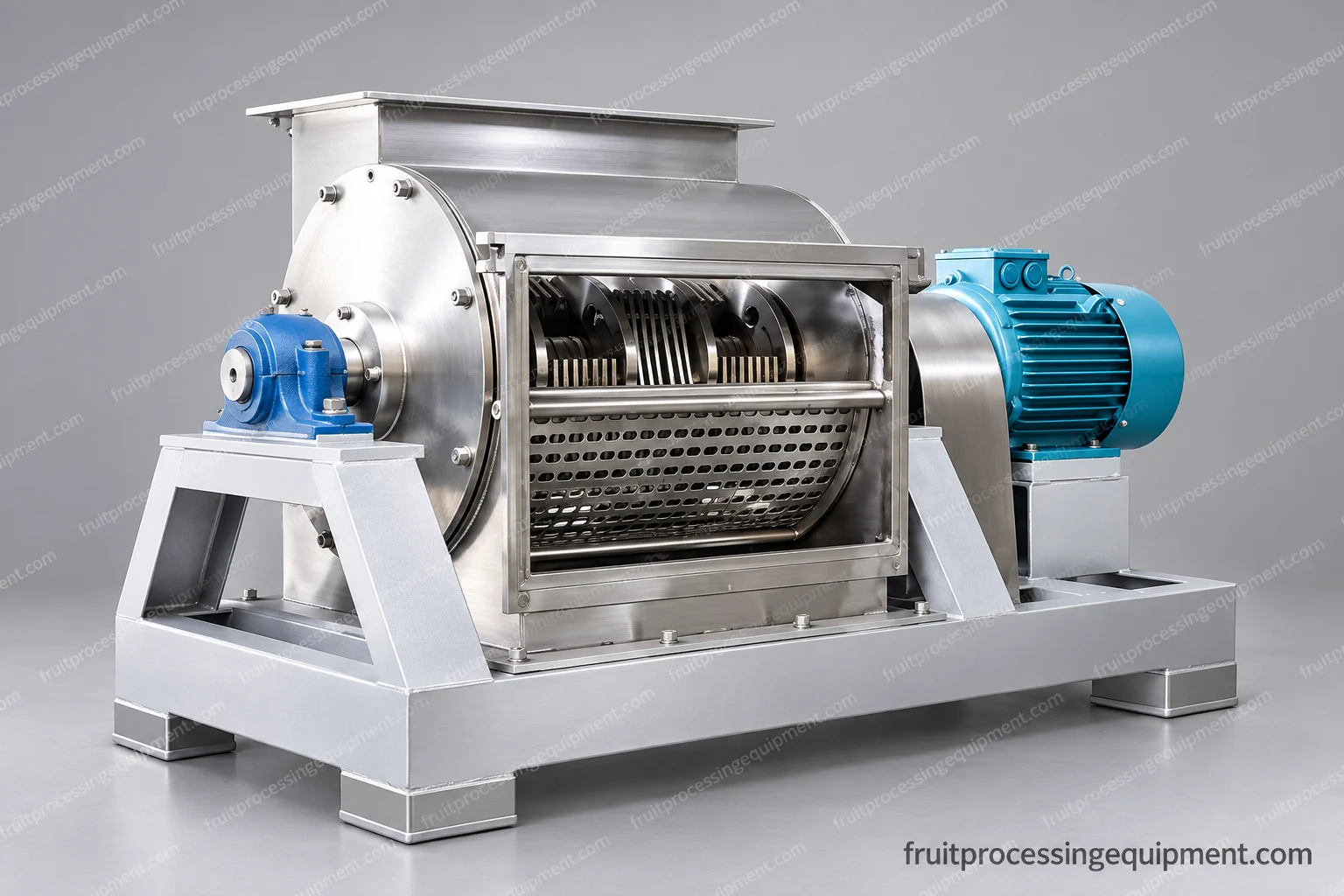
The crusher page includes published PS-series reference feed rates and motor powers. Those references support a model discussion; achieved rate still follows the actual fruit and selected working parts. The image does not establish an individual size.
What to include in your enquiry
- Prepared-fruit input in kg/h
- Fruit condition and foreign-object control
- Required mash condition
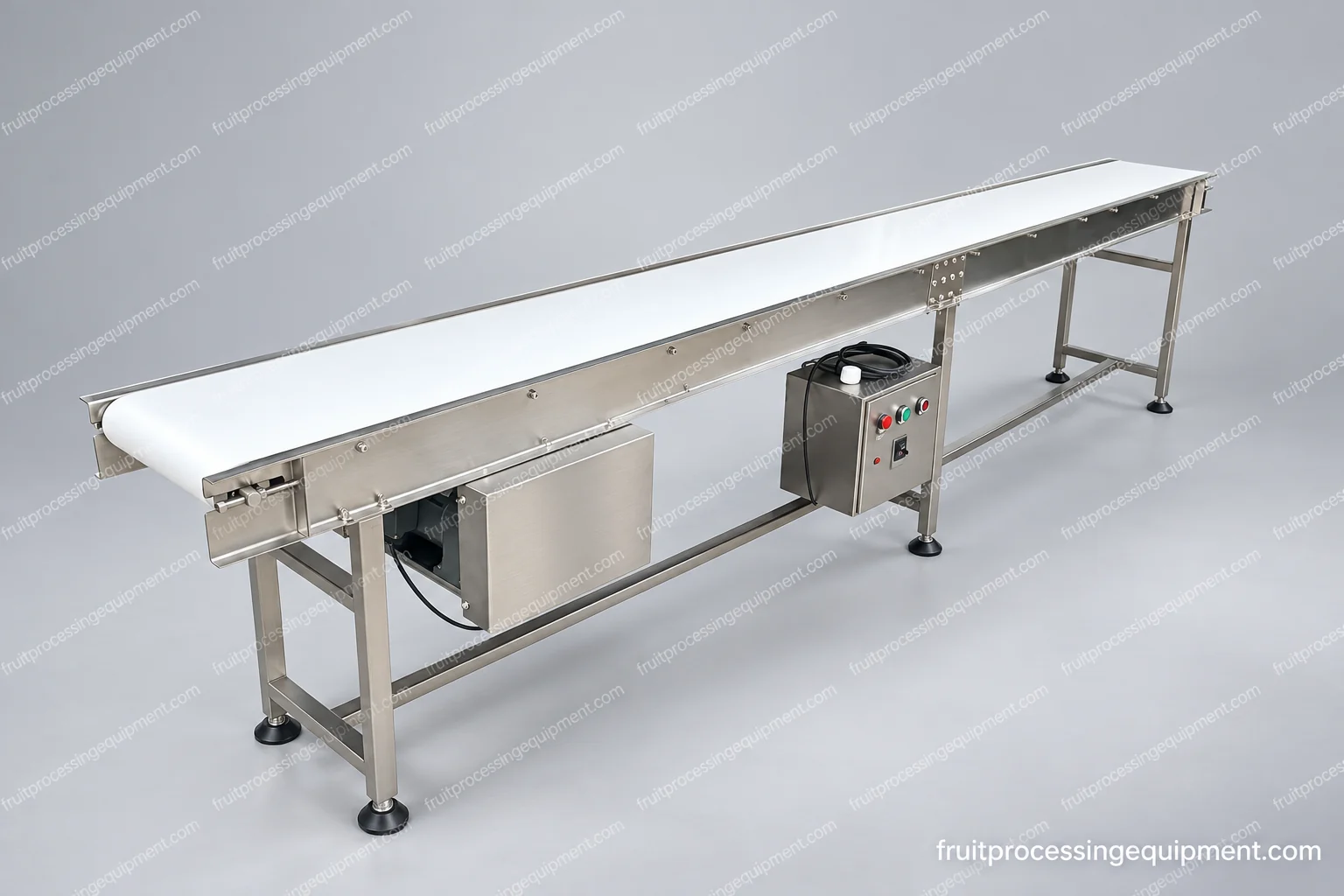
- Upstream conveyor and downstream recovery interface
Describe the product and the machine you need. Add the known process conditions; the remaining configuration can be discussed around your actual project.
Discuss this equipment selection